
Colleges & Schools
Christopher Newport’s academic programs are organized into four schools: the College of Arts and Humanities, the College of Natural and Behavioral Sciences, the College of Social Sciences, and the Joseph W. Luter, III School of Business. Within these schools, students explore rigorous academic programs guided by dedicated faculty who emphasize hands-on learning, research, and real-world experience.
Colleges
College of Arts and Humanities
Explore the ideas, stories, and creative works that shape our world through the College of Arts and Humanities. Programs in the arts, languages, history, philosophy, music, and theatre combine academics with hands-on creative experiences that challenge students to think deeply and express boldly.
With the School of the Arts and the Institute for Public Humanities, students don’t just study culture, they help create it.
Learn More about Arts and Humanities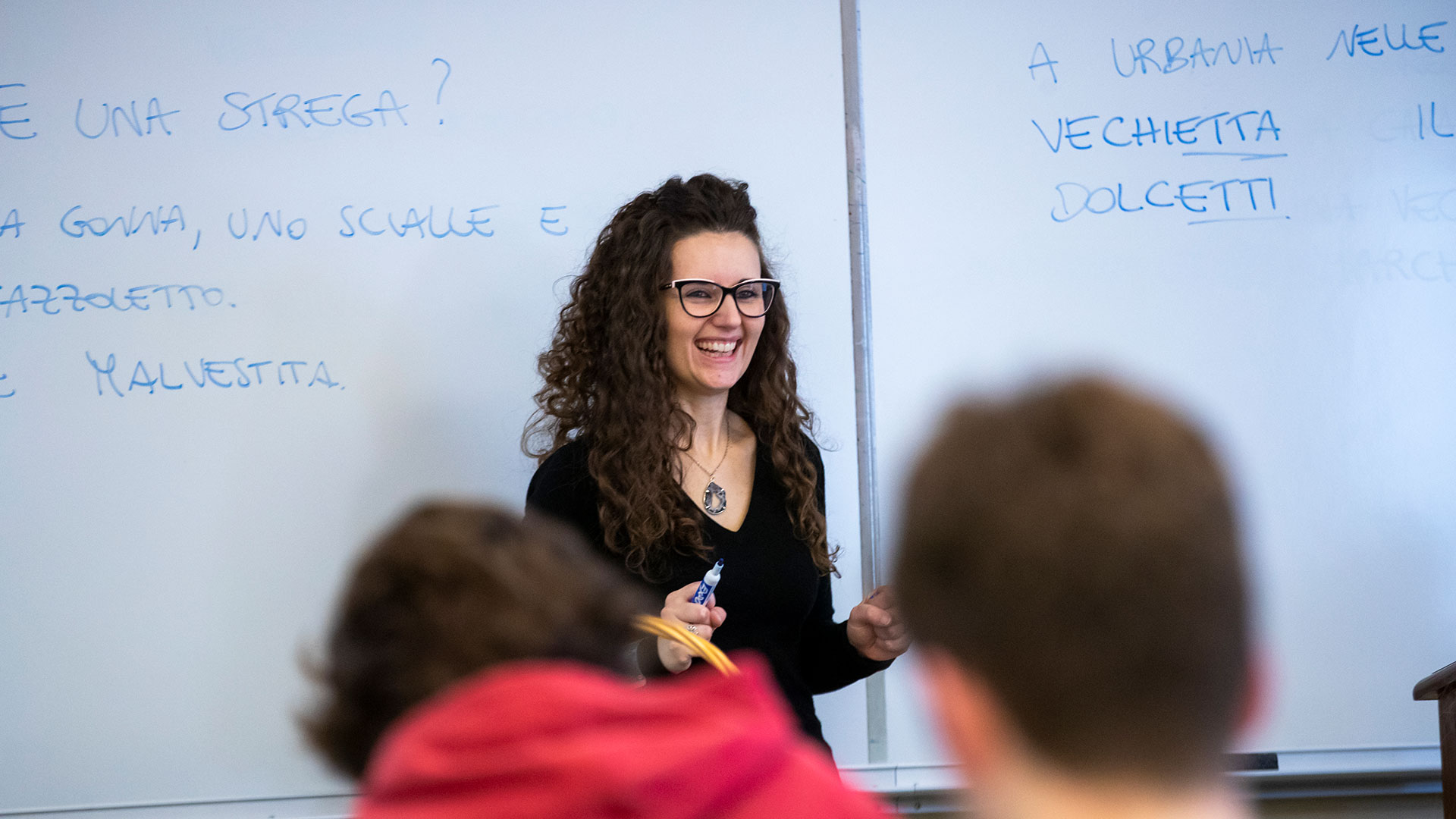
College of Natural and Behavioral Sciences
Turn curiosity into discovery in the College of Natural and Behavioral Sciences. Through programs in biology, chemistry, neuroscience, psychology, environmental science, and more, students investigate life’s biggest questions, from ecosystems and cells to human behavior and cognition.
Hands-on research, modern laboratories and faculty mentors who know you by name create an environment where learning extends far beyond the classroom. Here, students gain the experience and confidence to pursue internships, contribute to meaningful discoveries, and prepare for careers in science, healthcare and emerging fields.
Learn More about Natural and Behavioral Sciences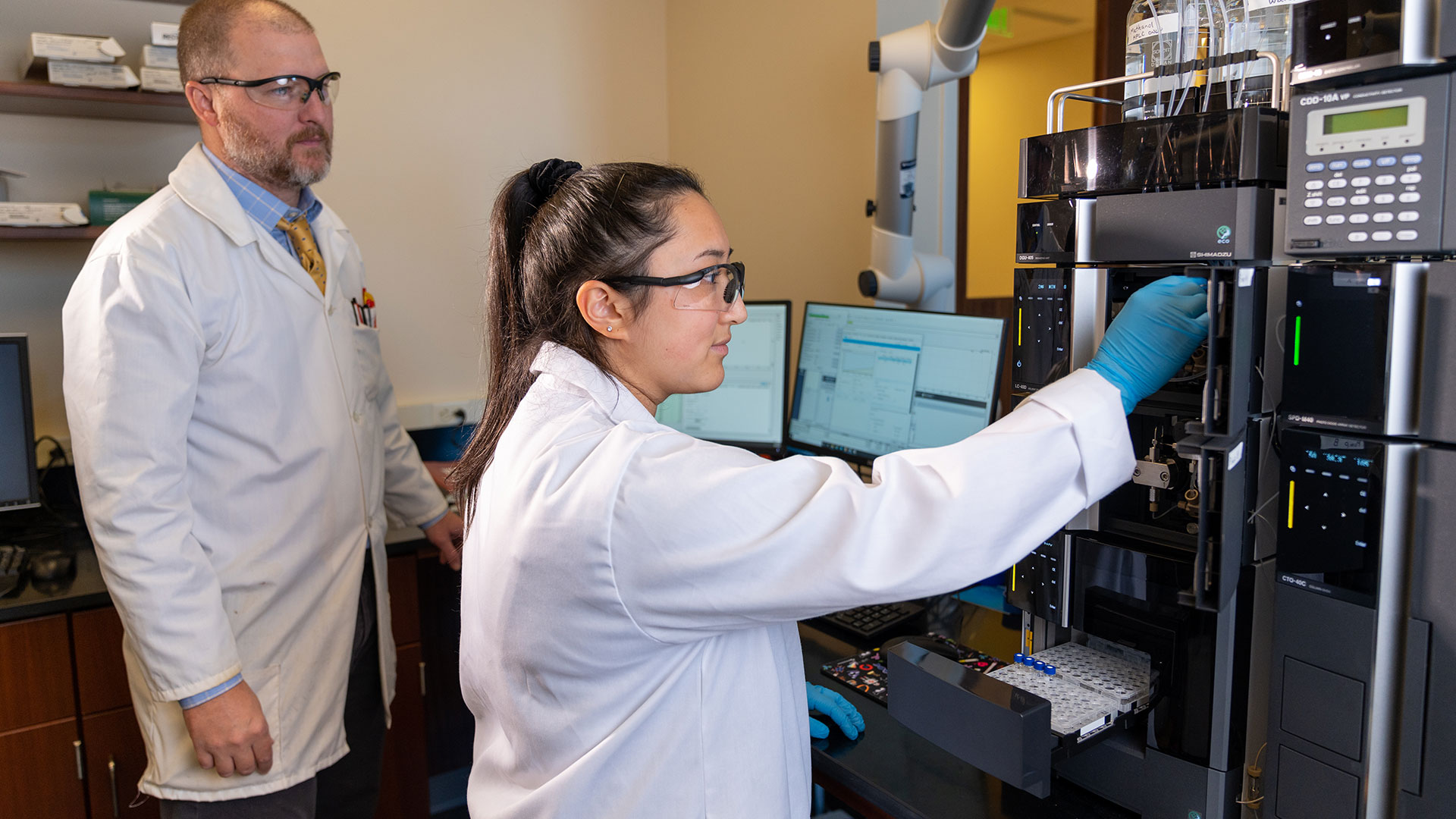
College of Social Sciences
Examine the forces that shape our world in the College of Social Sciences. Through programs in political science, sociology, economics, history, international affairs, and psychology, students explore how people, communities, and institutions interact.
Guided by expert faculty, students develop the analytical thinking, communication, and leadership skills needed for impactful careers and engaged citizenship.
Learn More about Social Sciences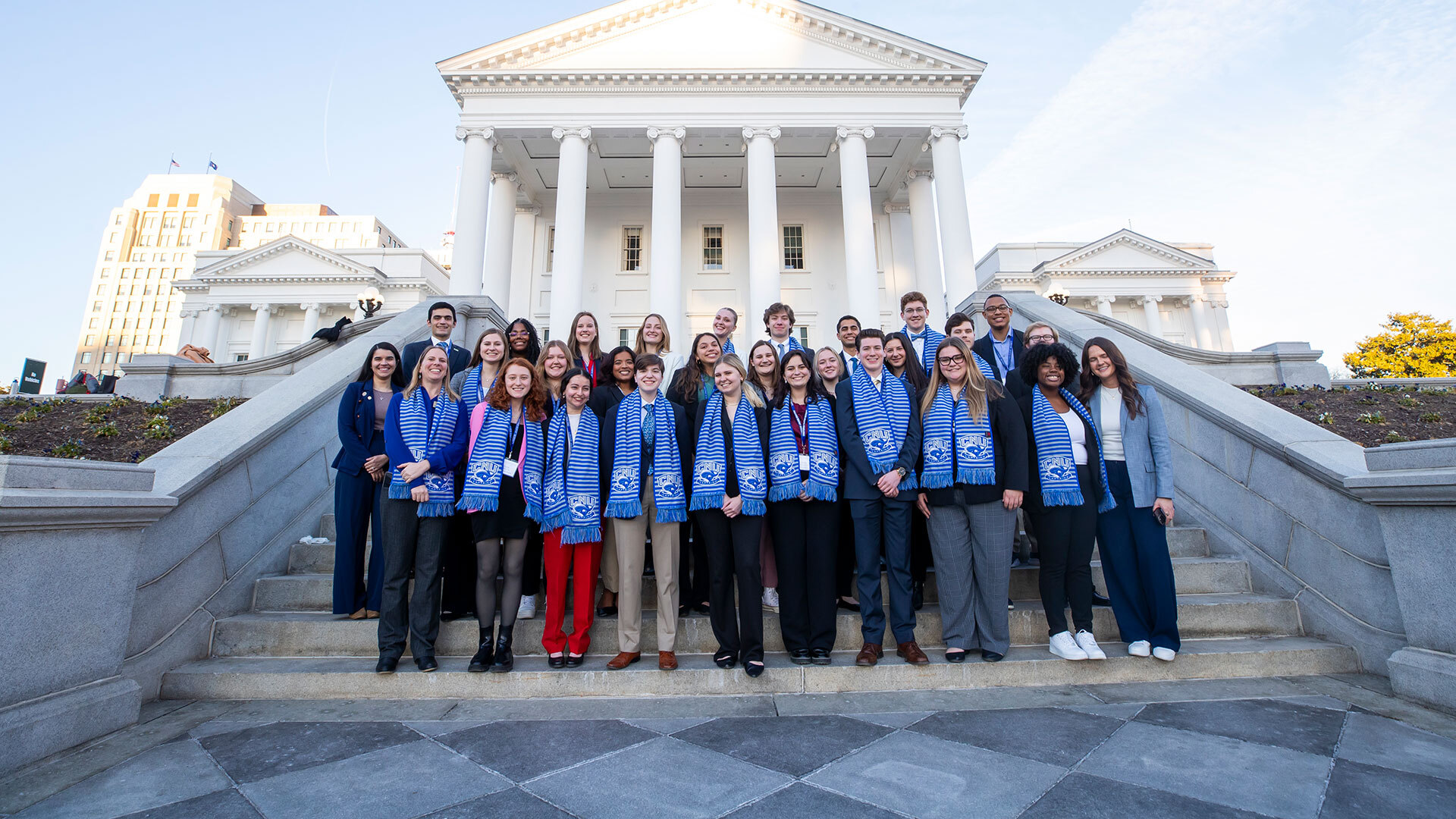
Luter School of Business
Launch your future in the Joseph W. Luter, III School of Business. Programs in accounting, finance, management, marketing, and business analytics combine a strong academic foundation with real-world experience.
Through internships, consulting projects and student organizations, students apply what they learn while building professional networks. With dedicated faculty mentors and strong connections to the business community, graduates develop the strategic thinking, ethical leadership, and problem-solving skills employers value most.
Learn More about Business
Schools
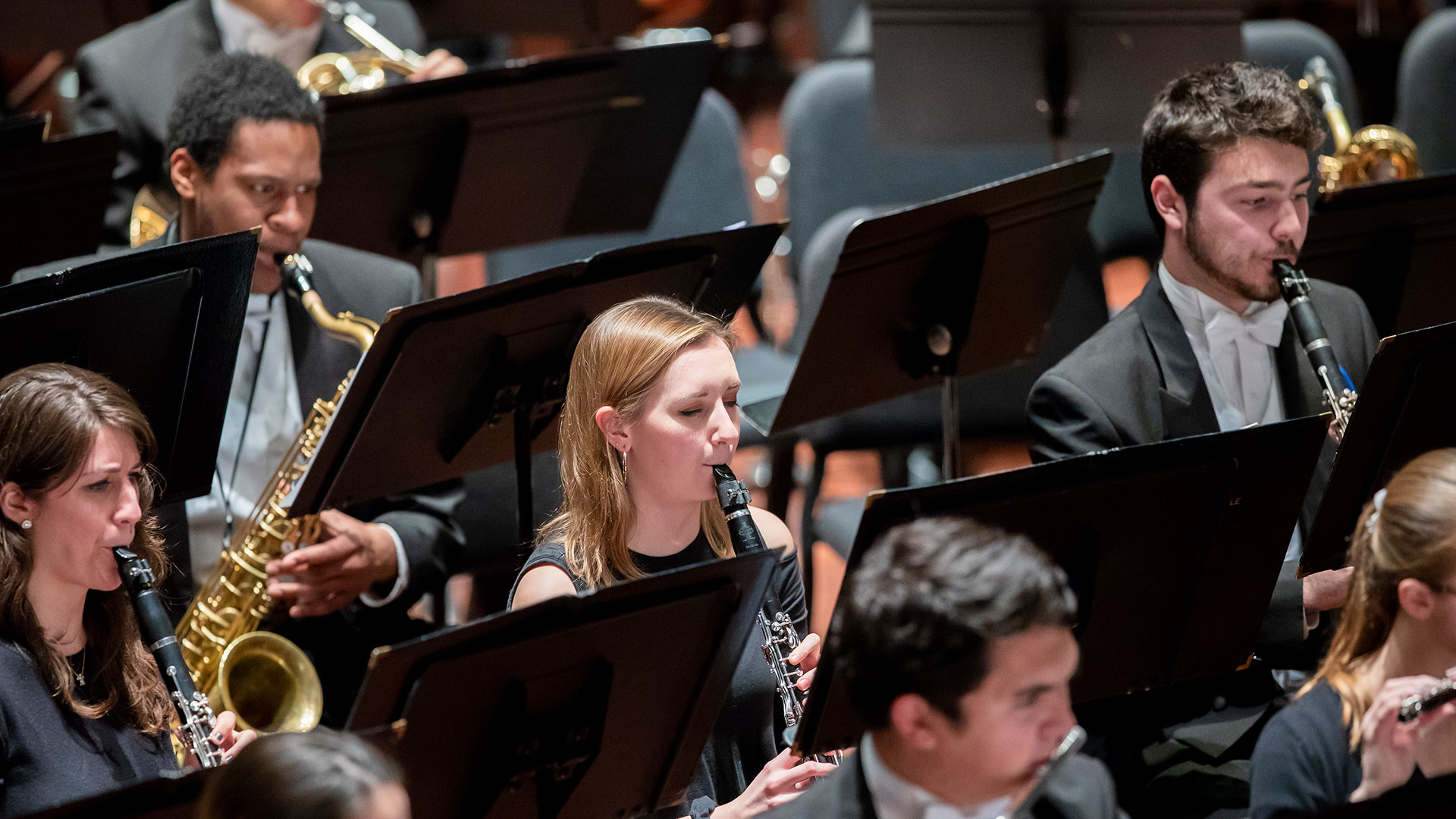
Creativity comes to life in the School of the Arts, part of the College of Arts and Humanities. Students pursue visual and performing arts, including art and art history, music, theatre, and dance, through immersive coursework, studio practice, and performances.
Guided by faculty who are accomplished artists and scholars, students create, rehearse, and showcase their work in professional spaces across campus, including the Ferguson Center for the Arts and the Torggler Fine Arts Center. Here, artistic exploration becomes artistic impact.
Learn More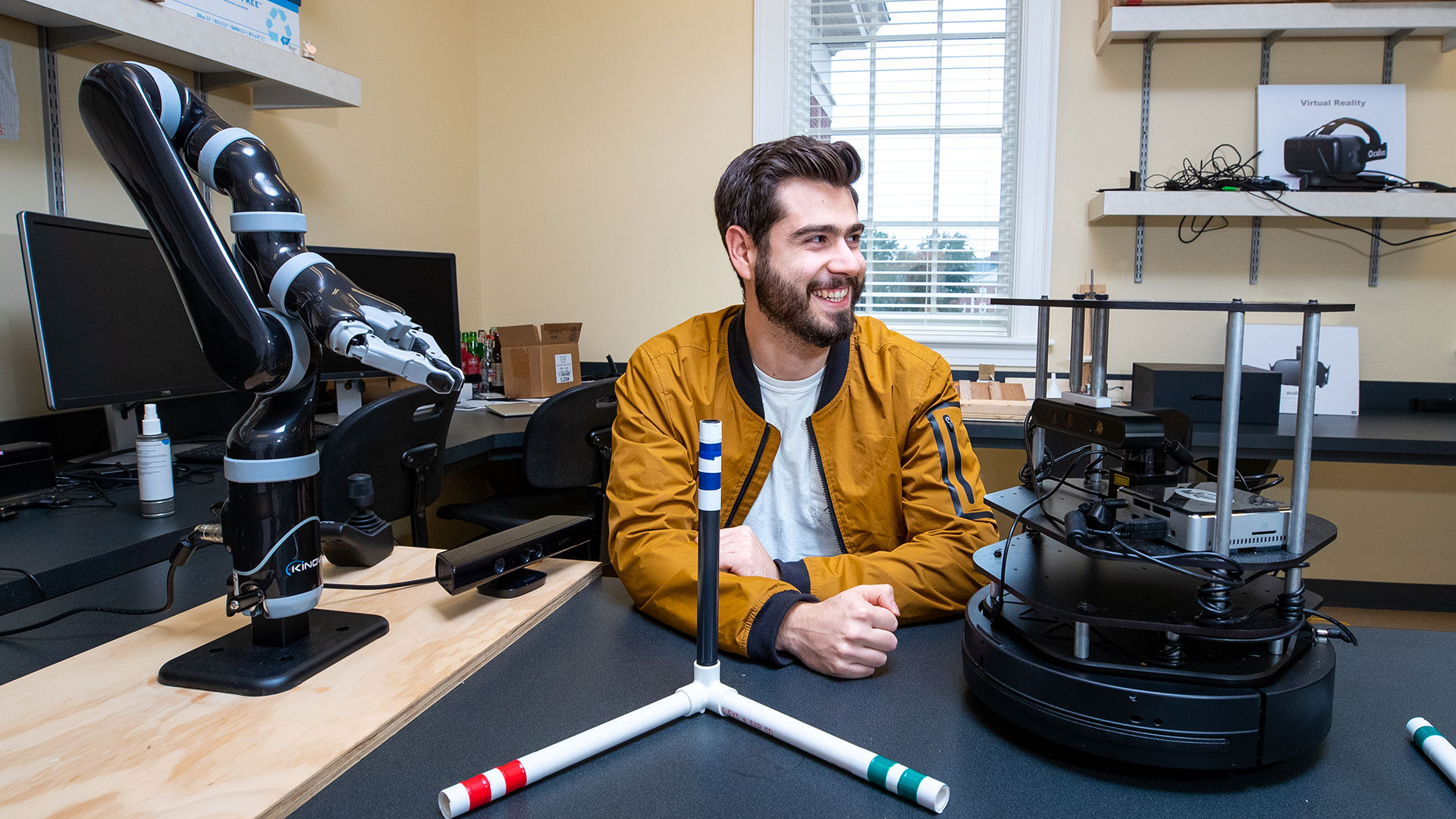
Design the technologies of tomorrow in the School of Engineering and Computing. Bringing together engineering, physics, computer science, cybersecurity, and information science, the School prepares students to solve complex technical challenges.
At the center of this experience is the new Science and Engineering Research Center, a state-of-the-art facility with advanced laboratories, makerspaces, and collaborative workspaces. Here, students build prototypes, conduct research, and work alongside expert faculty to turn ideas into innovation.
Learn MoreInstitute
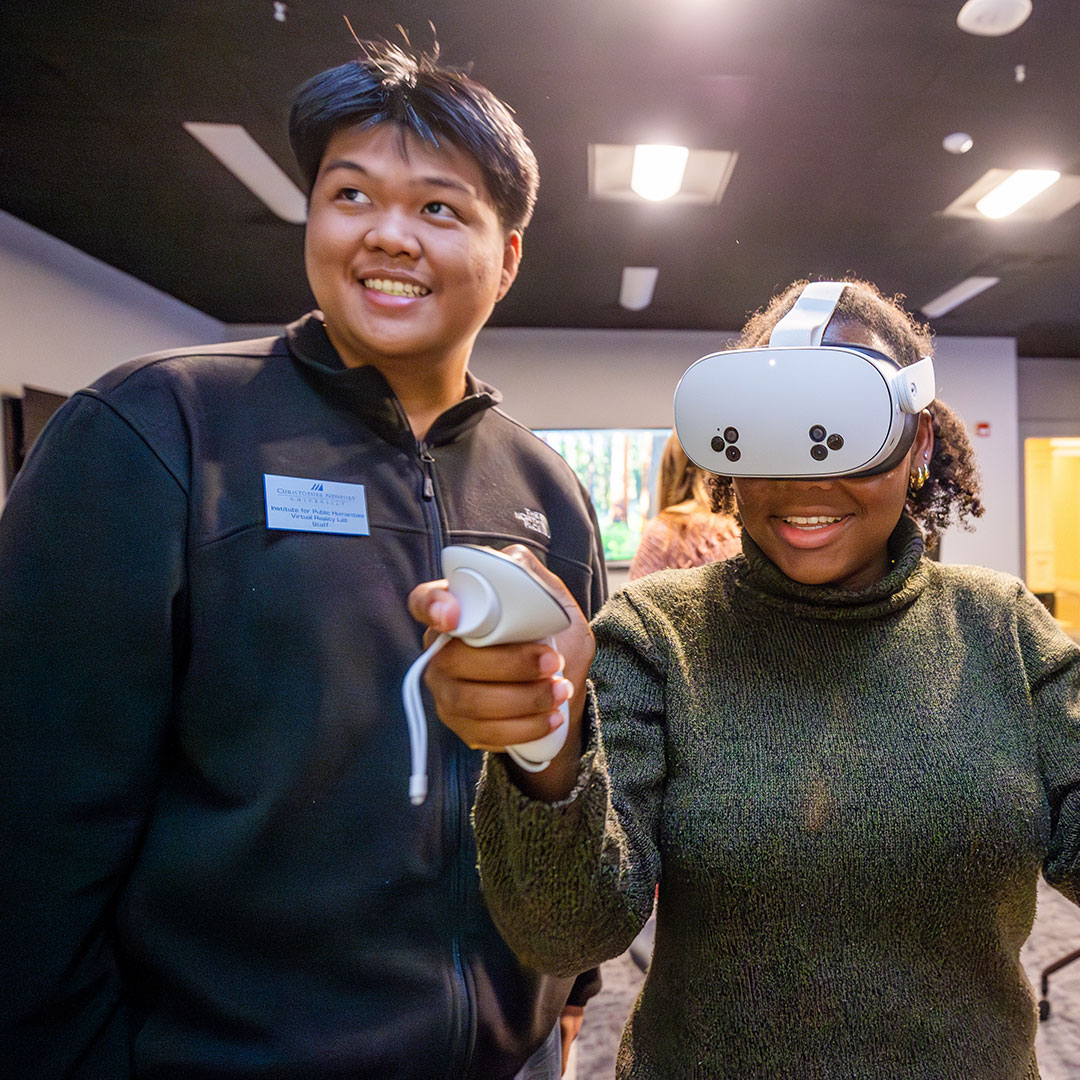
The Institute for Public Humanities connects academic inquiry with community impact. Through partnerships with museums, nonprofits, schools, and cultural organizations, students bring history, storytelling, and research beyond the classroom and into the public sphere.
Through collaborative projects, digital media, and public programming, students use the humanities to engage communities, amplify voices, and shape the stories that matter.
Learn More