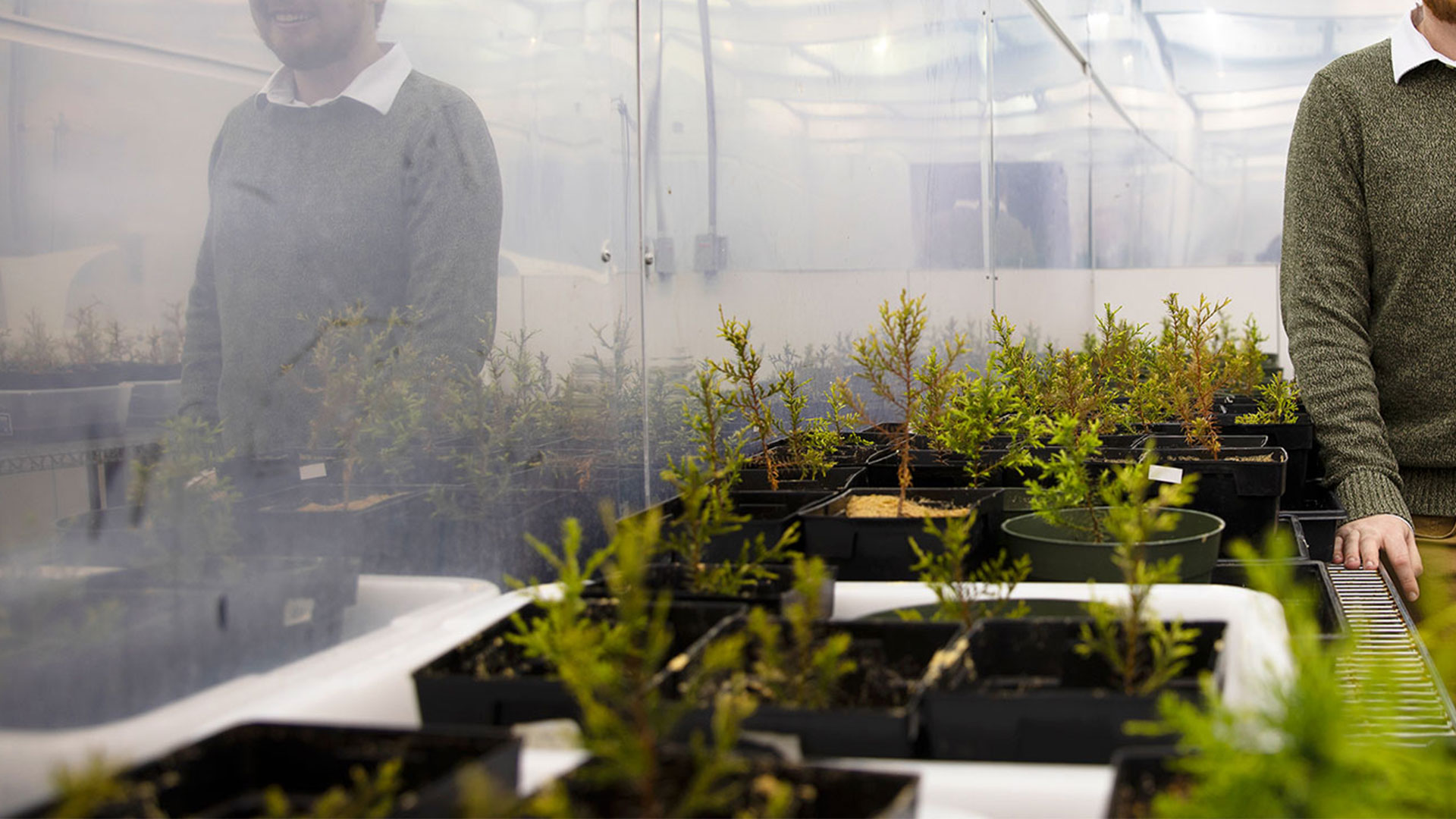
Master of Science in Environmental Science

Graduate Programs
Master of Science in Environmental Science
Want to understand, study, and solve real environmental problems? The Master of Science in Environmental Science (MS‑ENVS) program at Christopher Newport University is a flexible, skill‑driven graduate program designed you!
Rooted in ecological and environmental conservation theory, the program emphasizes strong analytical skills, hands‑on research, technical training, and clear scientific communication. Our program prepares you for careers in environmental agencies and NGOs, applied scientific positions, or advanced professional roles in education and industry.
What Paths Do We Offer?
Thesis Track
Take advanced coursework and conduct original research under faculty mentorship, culminating in a written thesis and public defense.
Ideal for: students planning to pursue a Ph.D. or research‑focused careers.
Non‑Thesis Track
A professional, coursework‑centered pathway that leads to a capstone experience focused on evidence‑based environmental decision making.
Ideal for: students pursuing careers in environmental agencies, consulting, education, outreach, or applied science.
Five‑Year Program
Qualified CNU undergraduates may begin graduate thesis-track coursework during their senior year and complete both degrees in a reduced timeframe.
Ideal for: CNU students seeking an accelerated, research‑intensive graduate experience.
The thesis track in the ENVS program truly prepared me to enter any area of environmental science. I have participated in marine biology research on coral reefs and sea turtles, bat research in the Amazon rainforest, bird surveys in the Galápagos Islands, and more. While I did not always have prior training in each specific field method, the program’s strong emphasis on research design and data analysis equipped me with the skills to adapt quickly and take part in diverse research settings abroad.”
Patrick Wright ‘23
What Makes the Program Distinct?
Skill‑Driven & Student‑Centered
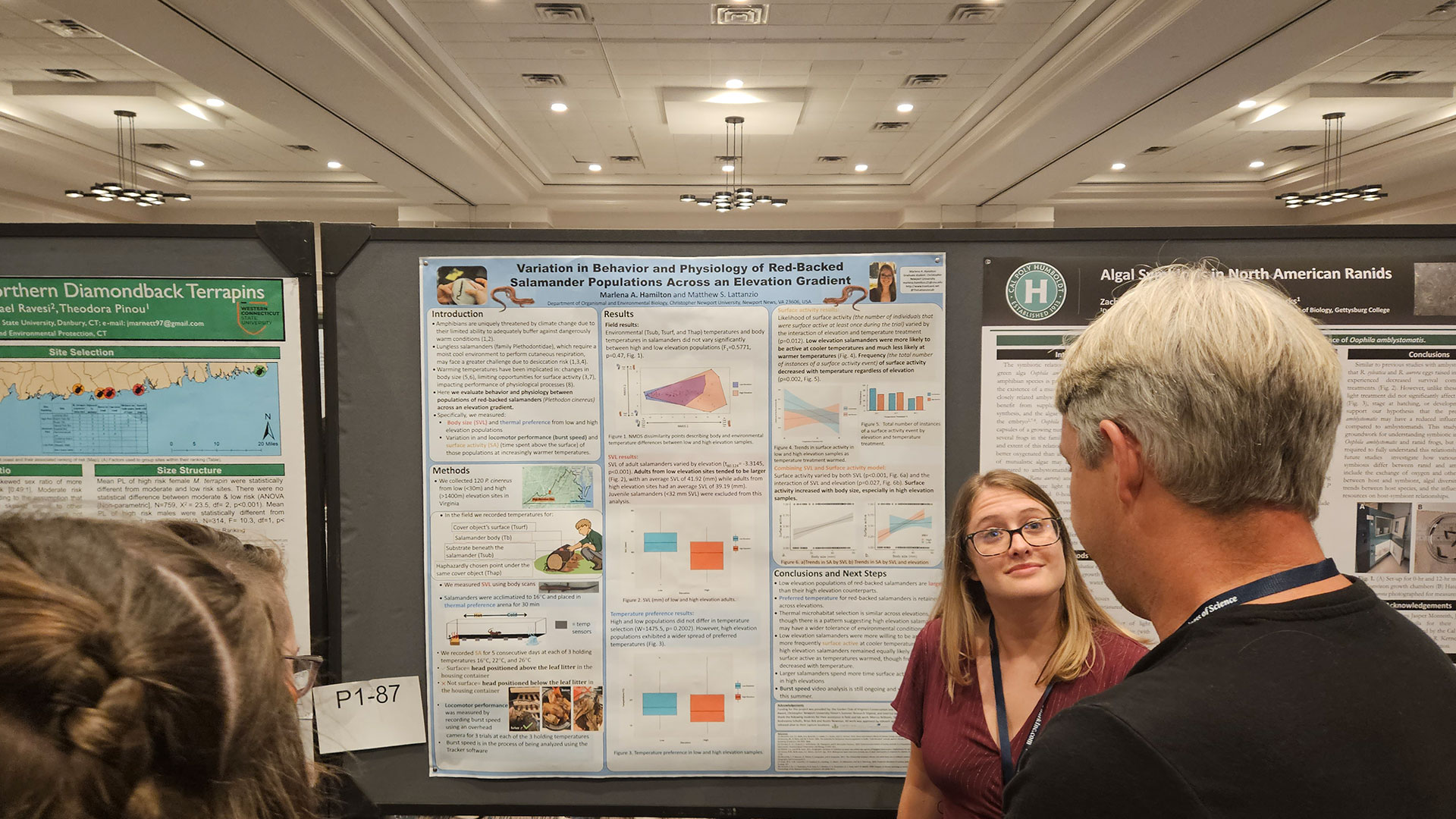
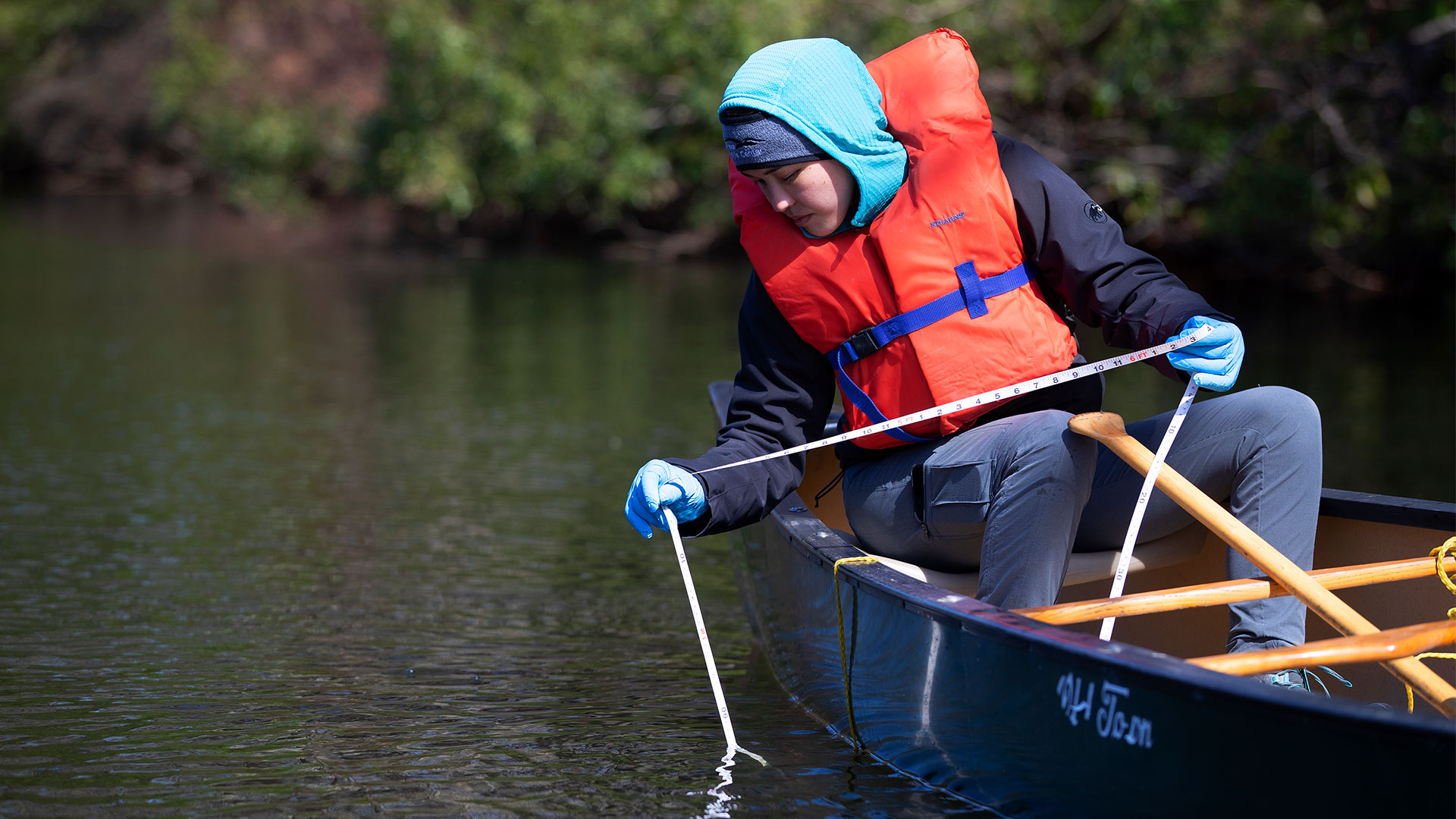
Graduate students are active contributors to ongoing research programs spanning ecology, conservation biology, environmental chemistry, physiology, and data‑driven environmental monitoring. Students regularly present their work at local, national, and international conferences and publish in peer‑reviewed journals.
Innovative, Applied Coursework
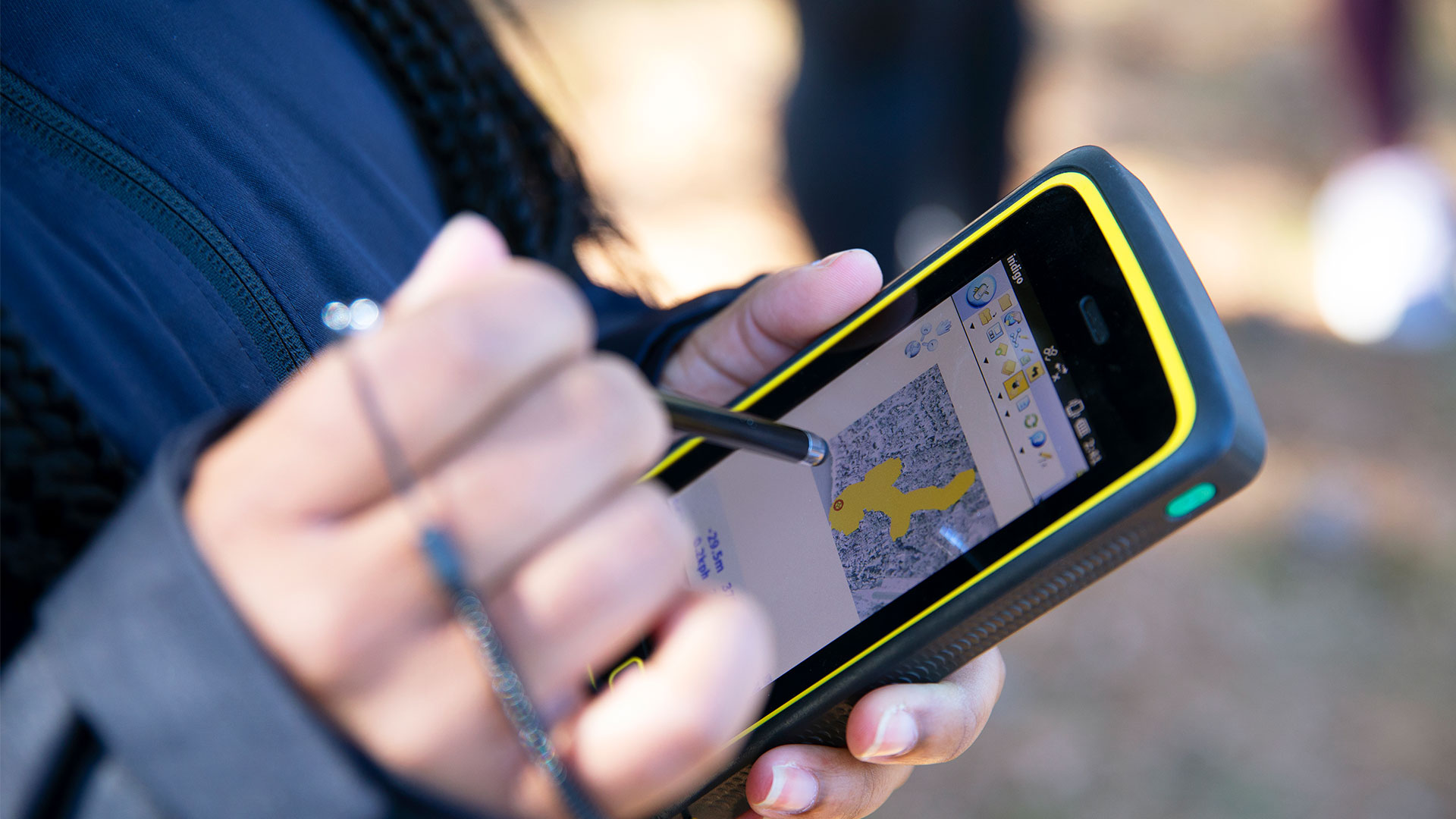
Courses emphasize both theory and practice, including opportunities to design custom research tools, analyze complex datasets, and engage in interdisciplinary problem solving. Students gain transferable technical skills that are increasingly valued across environmental careers.
Strong Faculty Mentorship
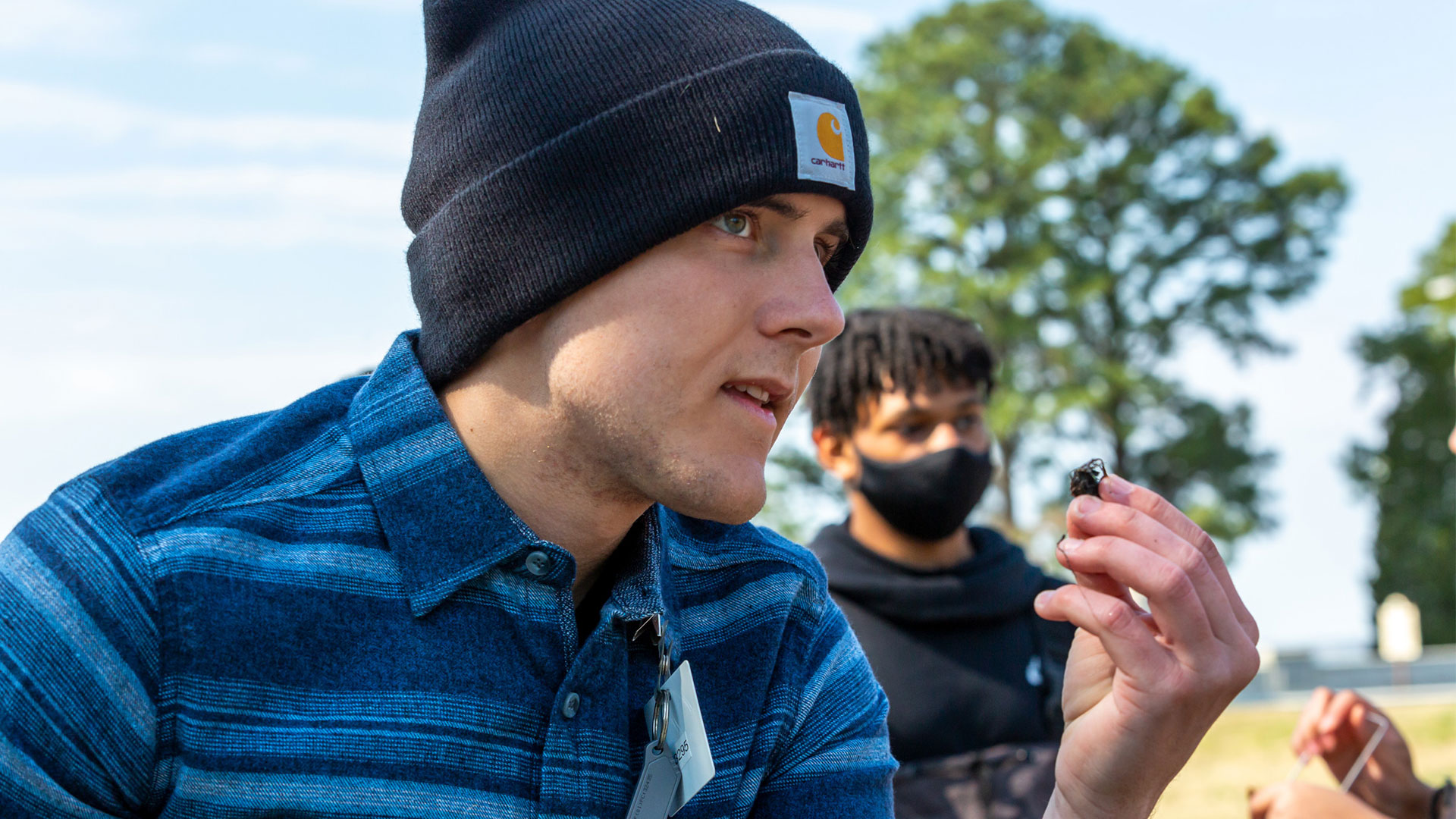
Students work closely with graduate faculty across multiple departments. Advising is individualized, collaborative, and aligned with students’ long‑term goals.
Community Engagement and Partnerships
Our program maintains strong connections with regional organizations, museums, environmental agencies, and community partners. These collaborations provide students with opportunities for applied research, internships, outreach experiences, and professional networking.
What Do Our Students Do After Graduation?
Graduates of the MS‑ENVS program pursue a wide range of successful pathways, including:
- Federal and state environmental agencies.
- Conservation organizations and NGOs.
- Environmental consulting and applied science positions.
- Education, outreach, and museum‑based careers Ph.D. and other advanced graduate programs.
Learn More
Contact
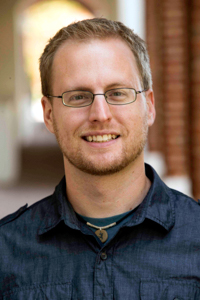
Matthew Lattanzio
Associate Professor
Graduate Program Director
Forbes Hall 1004